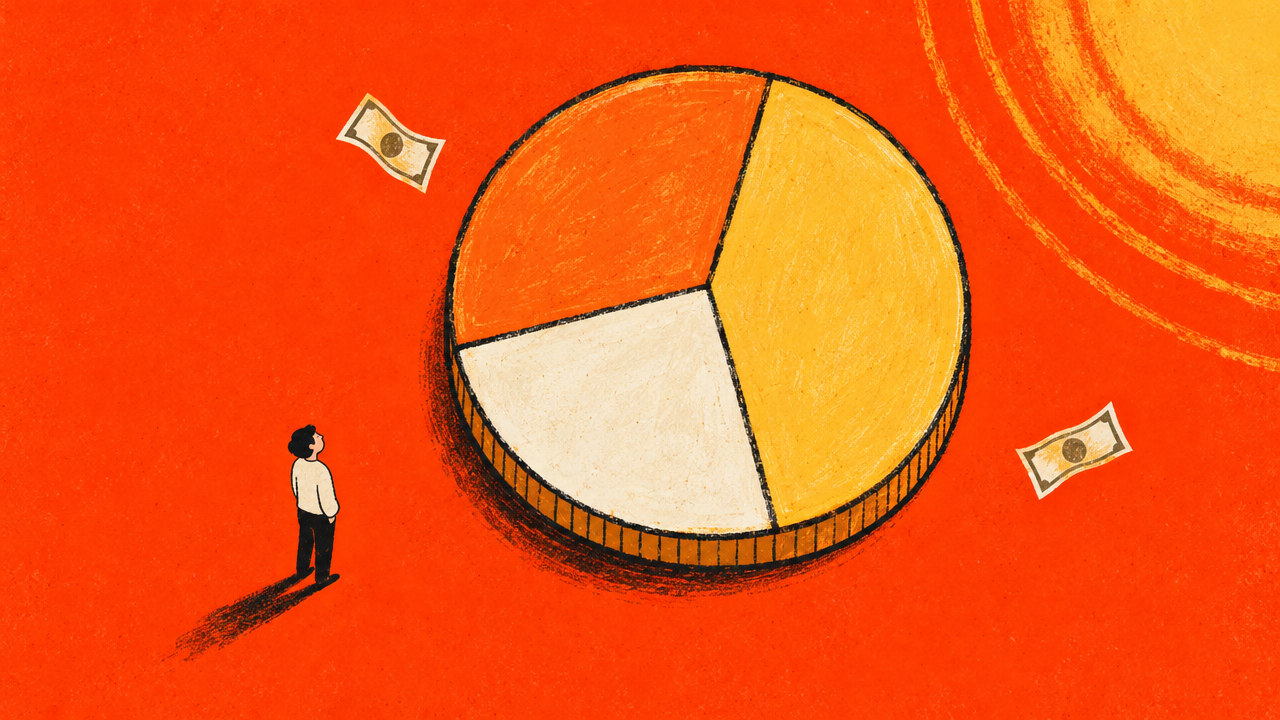
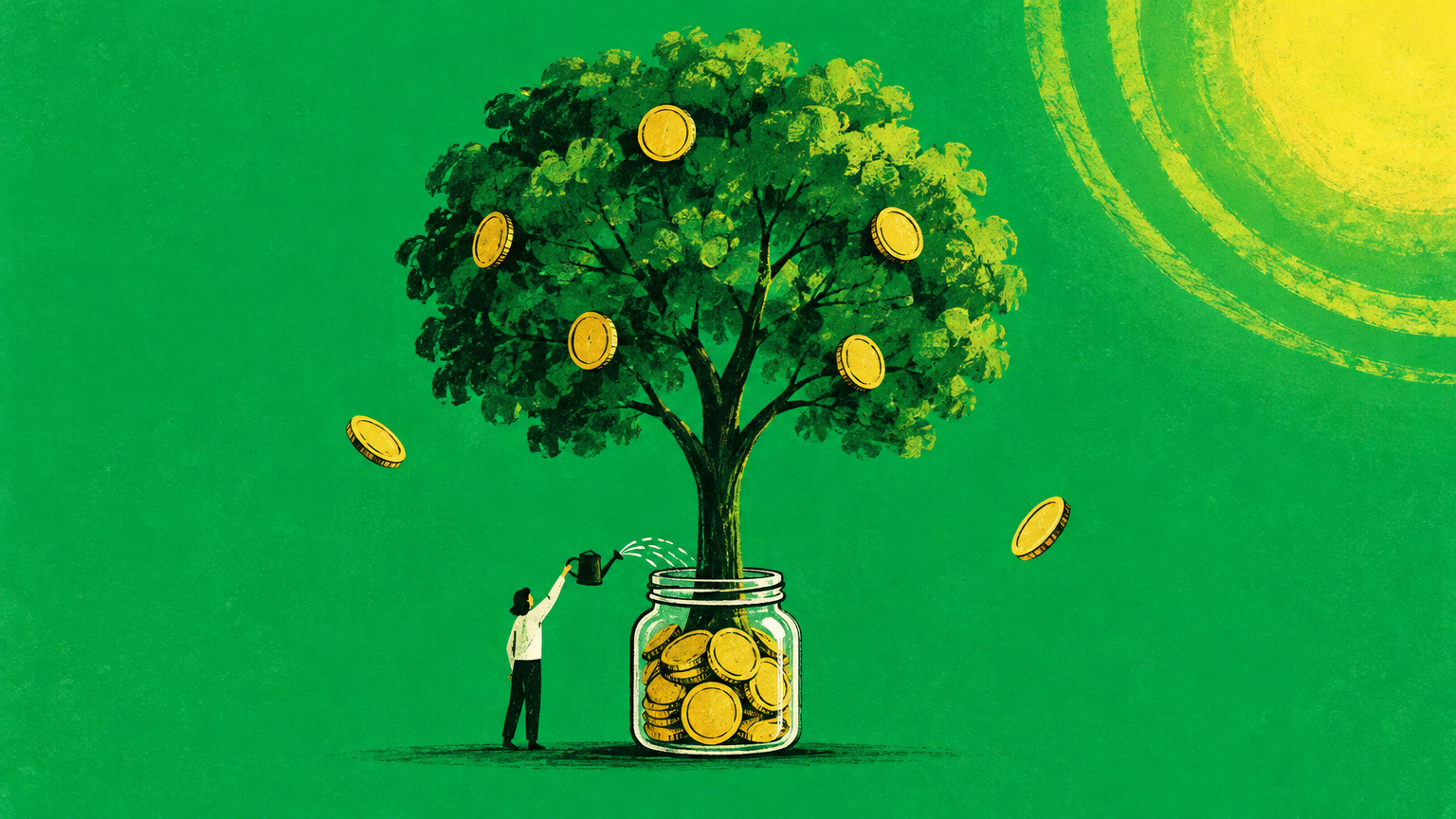
World Savings Day… where do your savings actually live?
This savings week, find out where your savings actually sit, and how giving every pound a name and an address keeps it from being spent.
📰 MoneyLoop Weekly | Every week we take one topic on Egyptian households’ minds and tell you what it means for your pocket, and what to do with your money. No jargon, no recommendations.
Hi there 👋🏼,
This Saturday, 31 October, is World Savings Day. It started in 1924 in Milan, at the first international congress of savings banks, to win back people’s trust in saving after hard years.
In Egypt, banks mark it every year: from 15 to 31 October, many of them open accounts with no opening fees and no minimum. But before you think about a new account, let’s ask a more important question: where does the money I’ve saved actually live?
Money without an address gets spent 💸
For a lot of us, savings means some cash in a drawer, an envelope in the wardrobe, or “whatever’s left” in the salary account. The problem is that this money has no name on it. The first time a family dinner, a repair or a good deal comes along, you dip into it without feeling you’ve lost anything.
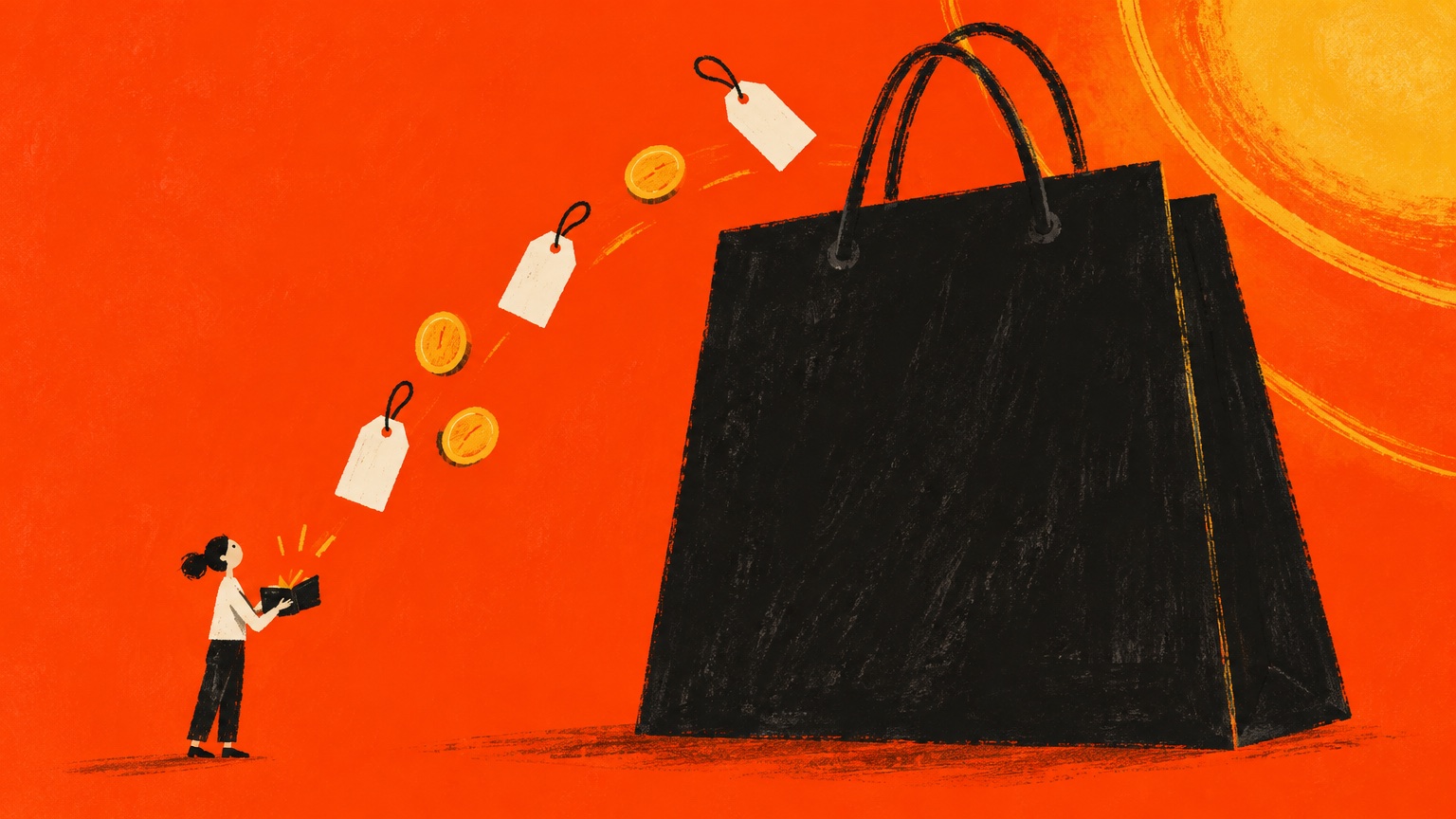
And cash sitting at home isn’t standing still. Annual inflation in Egypt was 12.8% in September 2026, so 10,000 pounds you put in a drawer a year ago now buys what about 8,870 pounds bought back then.
Give every saved pound a name and an address 🏷️
In 2011, researchers Dilip Soman and Amar Cheema ran an experiment with daily-wage workers in India: every week, part of their pay went into a savings envelope. People saved more when the money was split across two envelopes instead of one, and the split worked even better when the envelope carried a picture of their children.
The idea is called earmarking: when money has a name and a purpose, it gets much harder to spend it on anything else.
An illustrative example: you earn 15,000 pounds and save 1,500 pounds a month. Instead of putting it all “aside”:
- 1,000 pounds named “Emergencies”: kept apart from your salary account until it covers 3 months of expenses.
- 500 pounds named “September school fees”: somewhere else, for a goal with a known date.
After a year: 12,000 pounds for emergencies and 6,000 pounds for school, and every pound knows where it’s going. The place doesn’t have to be the same for both: a savings account, a certificate if you won’t need the money soon, gold, or a gam’eya (savings circle) for a goal with a date.
Each has its pros and cons in liquidity and risk; what matters is that it’s separate from your spending money.
What if I’m more comfortable with cash at home? 🤔
That’s understandable; many people feel safer when they can see their money. Keep a small amount at home for instant emergencies, enough for a week, say. Send the rest somewhere with a name, out of daily reach, where it holds its value against prices as best it can.
And if the amount is small? 200 pounds a month with a clear name beats 1,000 pounds “set aside” that disappears without you knowing where it went.
How do you start today?
- Count your savings: the drawer, the account, the gold, the gam’eya. Write down each amount and where it is.
- Give each amount a name: emergencies, a near goal or a far one. If you like, put a picture of the goal on the envelope or in the account name.
- Separate it from your spending money: and if you plan to open a separate account, ask your bank about the savings-week waivers before they end on 31 October.
In MoneyLoop you can record every saved amount by name and place (account, gold, gam’eya) and see them all next to your spending on one screen, so you know where your savings live, and whether they’re growing or shrinking.
In the end,
Savings with no name and no address are just spending on hold.
This content is general financial education, not personal advice for your situation.
Sources: Banque Misr, World Savings Day events (15–31 October 2026) · CAPMAS via Arab Finance (annual inflation 12.8% in September 2026) · Soman & Cheema, Earmarking and Partitioning, Journal of Marketing Research, 2011. Figures checked on 29 October 2026.